Introduction
Navigating the financial landscape can feel like walking through a dense forest. One wrong turn, and you could find yourself lost in confusion. For those seeking surety bonds, understanding how your credit score impacts surety bond costs is essential. A surety bond serves as a financial guarantee that a party will fulfill their obligations, whether it's in construction, licensing, or other business ventures. But did you know that your credit score plays a pivotal role in determining the cost of these bonds? In this article, we will explore The Relationship Between Credit Score and Surety Bond Costs, unraveling the intricacies of this connection and providing actionable insights to help you navigate your bonding needs.
What is a Surety Bond?
Defining Surety Bonds
At its core, a surety bond is an agreement among three parties: the principal (the party needing the bond), the obligee (the entity requiring the bond), and the surety (the company that issues the bond). This arrangement ensures that the principal adheres to their contractual obligations. If they fail to do so, the surety compensates the obligee up to the bond amount.
Types of Surety Bonds
Surety bonds come in various forms:
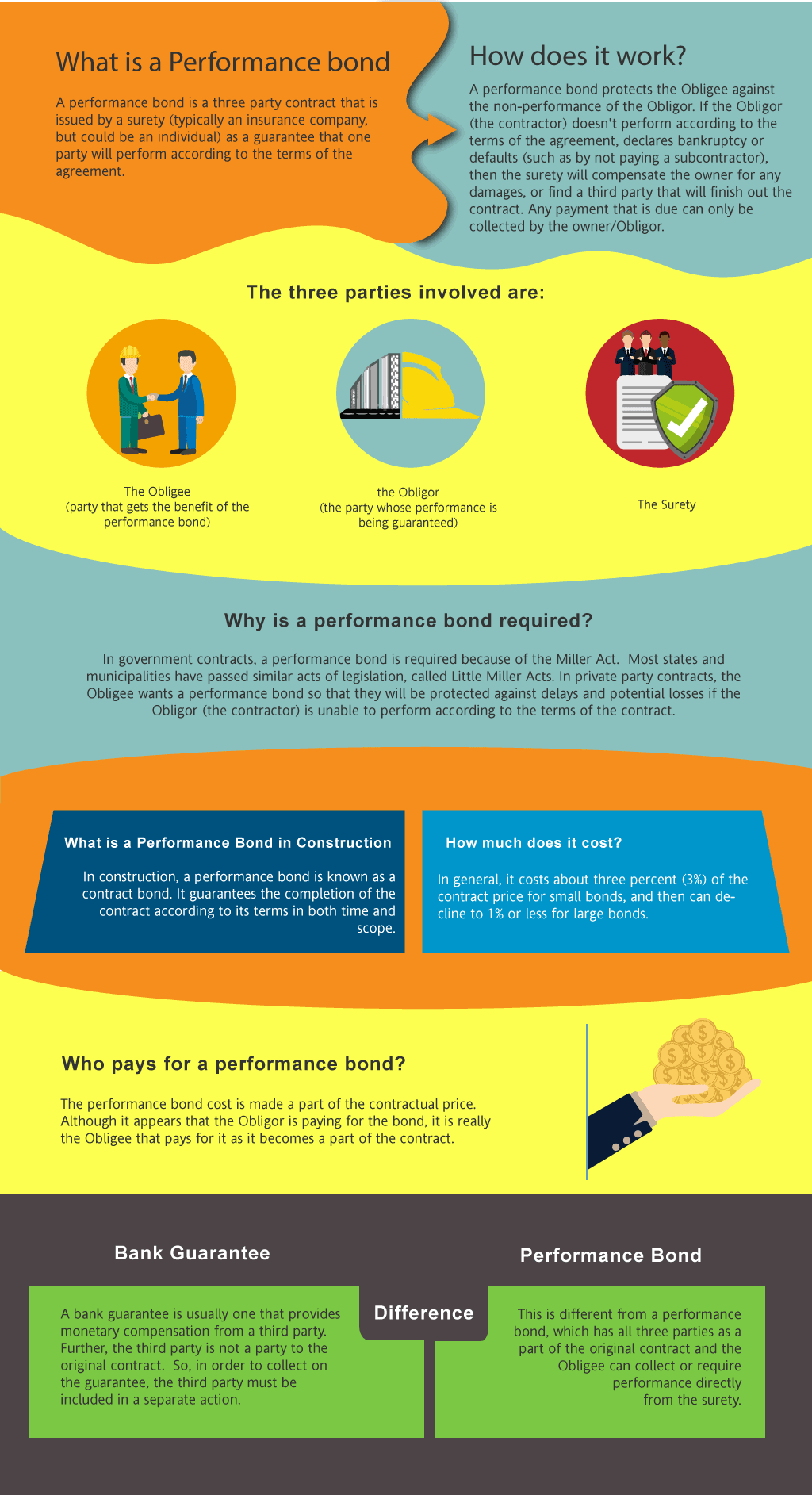
Understanding these types helps clarify how your credit score might influence costs.
How Credit Scores Are Calculated
Factors Influencing Your Credit Score
Your credit score isn’t just a number; it’s a reflection of your financial behavior. Major factors include:
- Payment History: Timely payments boost your score. Credit Utilization: High balances can negatively affect your score. Length of Credit History: Longer histories generally help. Types of Credit: A mix of credit types can enhance your score. New Inquiries: Too many inquiries can be detrimental.
Understanding FICO vs. VantageScore
Most lenders use either FICO or VantageScore to assess creditworthiness. While both models evaluate similar factors, they may weigh them differently. Knowing which model is used can help you understand potential variations in how your credit affects bond costs.
The Importance of Credit Scores in Surety Bond Pricing
Why Do Lenders Care About Your Credit Score?
Your credit score acts as a risk gauge for lenders. A high score signals reliability, while a low one suggests potential risk. When it comes to surety bonds, insurers need assurance that you will adhere to your commitments.
The Direct Impact on Surety Bond Cost
Your credit score directly influences the cost of obtaining a surety bond:
- Higher scores often lead to lower premiums. Lower scores can result in higher premiums or even denial of coverage.
Ultimately, maintaining a healthy credit profile is crucial for minimizing costs associated with surety bonds.
How Much Can Your Credit Score Affect Surety Bond Costs?
General Cost Ranges Based on Credit Scores
To give you an idea of how significant this relationship can be, let’s break down average costs based on credit scores:
| Credit Score Range | Estimated Premium Rate | |-------------------|-----------------------| | 700 - 850 | 1% - 2% | | 650 - 699 | 2% - 5% | | 600 - 649 | 5% - 10% | | Below 600 | 10%+ |
As you can see from this table, even minor changes in your credit rating can have substantial financial implications when it comes to securing a surety bond.
Case Studies Illustrating Cost Variations
Let’s consider two hypothetical contractors seeking similar $100,000 performance bonds:
Contractor A has a credit score of 750; they pay an annual premium of $1,000. Contractor B has a score of 580; they face premiums upwards of $10,000 annually.
This stark contrast highlights just how critical maintaining good credit is if you're looking at significant bonding expenses.
The Relationship Between Credit Score and Surety Bond Costs Explained
Breaking Down Risk Assessment Models Used by Insurers
Insurers utilize various risk assessment models tailored specifically for evaluating potential clients applying for surety bonds. These https://sites.google.com/view/swiftbond/performance-bonds/how-much-does-a-performance-bond-cost_1 models incorporate not only credit scores but also past performance histories and industry-specific risks.
Why Is This Model Important?
Understanding how insurers assess risk allows applicants to better prepare before applying for bonds. You may want to improve your credit standing or gather additional documentation showcasing past successes—actions that would bolster your appeal and reduce costs significantly.
Improving Your Credit Score Before Applying for Surety Bonds
Practical Steps Towards Better Credit Health
Improving your credit involves consistent efforts over time:
Make timely payments on all debts. Reduce outstanding balances—aim for below 30% utilization. Avoid opening new accounts before applying for bonds. Regularly check your credit report for errors and dispute any inaccuracies promptly.By adhering to these practices, you'll not only enhance your chances of securing favorable terms but could also improve other aspects of financial health along the way!
Resources for Monitoring Your Credit Health
Several platforms allow free access to monthly updates on your credit status:
- Experian Equifax TransUnion
Using these resources enables you to stay informed about any fluctuations in your score leading up to applying for surety bonds.
Impactful Strategies for Presenting Your Financial Profile Positively
Gathering Documentation That Supports Your Case
When seeking surety bonds with less-than-stellar credit scores, presenting compelling evidence reflecting reliable financial behavior becomes vital:
Compile tax returns demonstrating stable income sources. Showcase contracts completed successfully as proof of capability. Gather letters from previous clients attesting to timely project completions.Such documentation helps assure underwriters that you're trustworthy despite existing concerns regarding lower scores!
Leveraging Professional Assistance with Applications
If navigating this process feels overwhelming—consider consulting with professionals who specialize in securing sureties! They may provide insights specific tailored toward improving approval odds while minimizing rates effectively!
FAQs
What is a surety bond?
A surety bond is an agreement among three parties—the principal (who needs the bond), obligee (who requires it), and surety (who issues it)—ensuring obligations are met financially through compensation if they fail.
How does my credit score affect my ability to obtain a surety bond?
Your credit score significantly impacts perceived risk levels by insurers; higher scores indicate reliability leading towards lower premium rates while lower scores often generate higher expenses or refusal altogether!
Can I still get bonded with poor credit?
Yes! While poor credits may lead towards increased premiums—even denials—you still have options available such as improving documentation showcasing strong past performances alongside efforts aimed at boosting overall health beforehand!
How long does it take to improve my credit?
Improving one's credits takes time depending on various factors including existing debts; however consistent action over several months typically yields noticeable positive results within six months up until two years based upon individual circumstances involved!
What should I do if my application gets denied?
If faced with denial—for whatever reason—don’t hesitate reaching out directly towards underwriters requesting clarity! Understanding specific reasons allows targeted improvement strategies which ultimately enhances future applications moving forward into next endeavors pursued thereafter!
How frequently should I check my credit report?
You should review reports regularly (at least once per year) ensuring accuracy while monitoring any concerning shifts needing immediate attention proactively preventing unwanted surprises later down line approaching important transactions thereafter!
Conclusion
Understanding The Relationship Between Credit Score and Surety Bond Costs isn't merely academic; it's fundamentally practical! With every decision made today influencing tomorrow's outcomes — particularly regarding finance — being proactive about enhancing personal fiscal health remains paramount! By leveraging knowledge gained here alongside strategic actions taken consistently over time — individuals stand poised not only secure essential bonding services needed but potentially save considerable amounts throughout entire process too ultimately benefiting all areas encompassed therein long-term happily ever after!